Planning Your Job Site: How to Rent a Porta Potty for Construction
Planning a job site takes more than just scheduling crews and ordering materials. You also need to make sure your team has access to proper sanitation from day one. Renting the right porta-potty units in Jesup helps keep your project running smoothly, supports worker comfort, and ensures you stay compliant with safety standards.
OSHA Standard 1926.51 requires contractors to provide adequate toilet facilities on construction sites, especially when permanent restrooms are not available. While the minimum requirement is typically one unit per 20 workers, most contractors follow a more practical rule of thumb of one porta-potty per 10 workers during a standard 40-hour work week. This keeps lines short, improves cleanliness, and helps maintain productivity as your crew grows.
It is also important to consider accessibility and local regulations. Porta-potty units should be easy for workers to access, and ADA-compliant options may be necessary depending on your job site. Georgia rules for portable sanitation may also impact placement and servicing requirements, so planning ensures your site remains compliant and efficient from start to finish.
Choosing the Right Equipment for Your Project
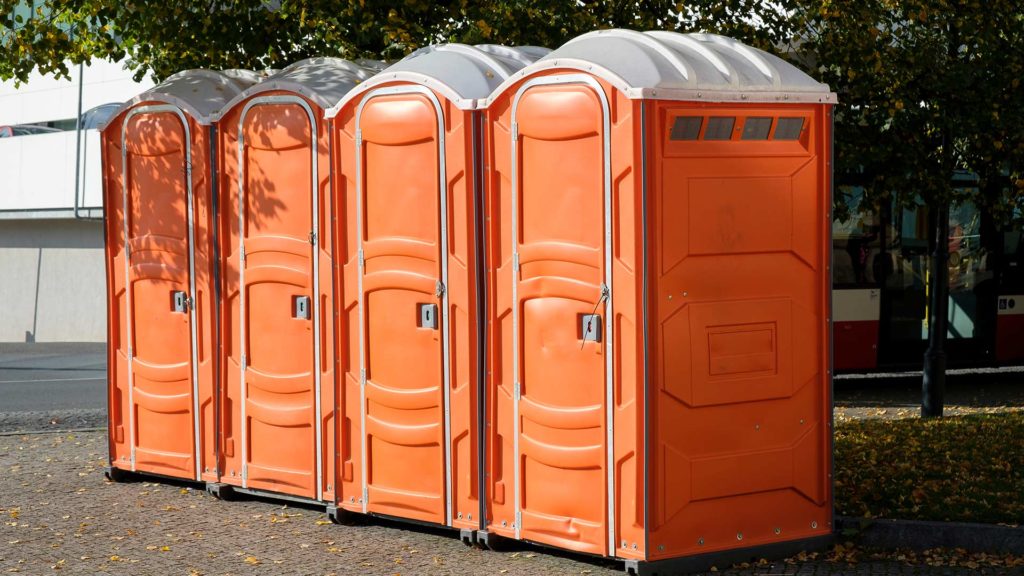
Standard units are the most common choice for job sites, built with durable materials and proper ventilation to handle tough conditions, including the Georgia heat. These units are designed for ground-level access and daily use, making them a reliable option for most crews.
For more complex projects, such as multi-story construction, crane-hook units are often the better fit. These specialized porta-potty units are designed to be lifted by crane, making placement on upper levels easy as your build progresses. On larger or long-term job sites, contractors may also consider mobile restroom trailers, which offer additional comfort and capacity when crews are larger or when a higher level of convenience is needed.
Hygiene is another key factor when choosing equipment. While hand sanitizer dispensers can be helpful, many job sites benefit from adding a dedicated handwashing station. This is especially important on sites where workers are exposed to dust, chemicals, or food handling conditions. Providing proper handwashing access helps maintain a cleaner, safer work environment and supports overall job site compliance.
Strategic Placement for Maximum Efficiency
Placing your porta-potty units in the right locations can make a big difference in job-site efficiency and safety. On busy construction sites, units should be positioned in a central area near high-traffic work zones so crews can access them quickly without wasting time walking long distances. At the same time, it is important to ensure service trucks can easily reach the units for regular cleaning and maintenance, typically within 25 feet for proper pump access.
The ground surface also plays a critical role, as porta-potty units should always be set on flat, stable ground such as concrete or well-packed dirt to prevent tipping and reduce the risk of injury. By planning placement carefully, you can keep your site running smoothly while maintaining safe and accessible sanitation for your crew.
Ensuring Sanitary Conditions: The Importance of a Service Schedule
Keeping your porta-potty units clean and well-maintained is essential for both worker comfort and job site compliance. A consistent service schedule ensures your units stay sanitary, stocked, and ready for daily use, especially in demanding construction environments.
- Weekly Servicing: Most rentals include standard once-per-week service, which covers pumping out waste, thoroughly cleaning and scrubbing the unit, and restocking essentials like toilet paper and hand sanitizer.
- High-Volume Adjustments: For larger crews or job sites operating extended hours or around the clock, increasing the service frequency helps maintain cleanliness and prevent overuse.
- Odor Management: In the Georgia heat, odor control is critical. Reliable Roll-Off uses specialized chemicals and proper ventilation techniques to keep porta-potty units fresh and comfortable, even in high temperatures.
Budgeting Your Site Sanitation: Costs and Timelines
Planning for porta-potty rentals helps you stay on budget and avoid unexpected costs throughout your project. Multiple factors influence pricing, including the number of units, rental duration, and service frequency. For longer construction timelines, monthly rentals are typically more cost-effective than short-term or weekly options, making them a smart choice for projects that span several months.
It is also important to account for delivery and pickup fees, which are usually included in your initial quote based on distance from service hubs like Jesup or Blackshear. In some cases, additional charges may apply for emergency pump-outs if units require extra servicing. To protect your investment, many contractors opt for a damage waiver, which can help cover unexpected issues like vandalism or on-site accidents.
The Booking Checklist: How to Rent a Porta Potty Fast
When you are ready to schedule your rental, having the right information on hand makes the process quick and easy. Be prepared to provide your job site address, estimated crew size, project duration, and a reliable site contact when you contact our Jesup office for a quote.
Booking your porta-potty units at least 48 to 72 hours in advance helps ensure availability and allows time to plan proper placement. For added convenience, many contractors choose to bundle their porta-potty rentals with roll-off dumpsters, simplifying logistics by working with one trusted local provider.
By planning ahead and following OSHA Construction Sanitation Regulations, you can keep your job site compliant, efficient, and ready for work from day one. Whether you are managing a small crew or a large-scale build, securing the right equipment and services early helps you avoid delays and maintain a safe, productive environment.