What Is a Dumpster Rental and When Do You Need One?
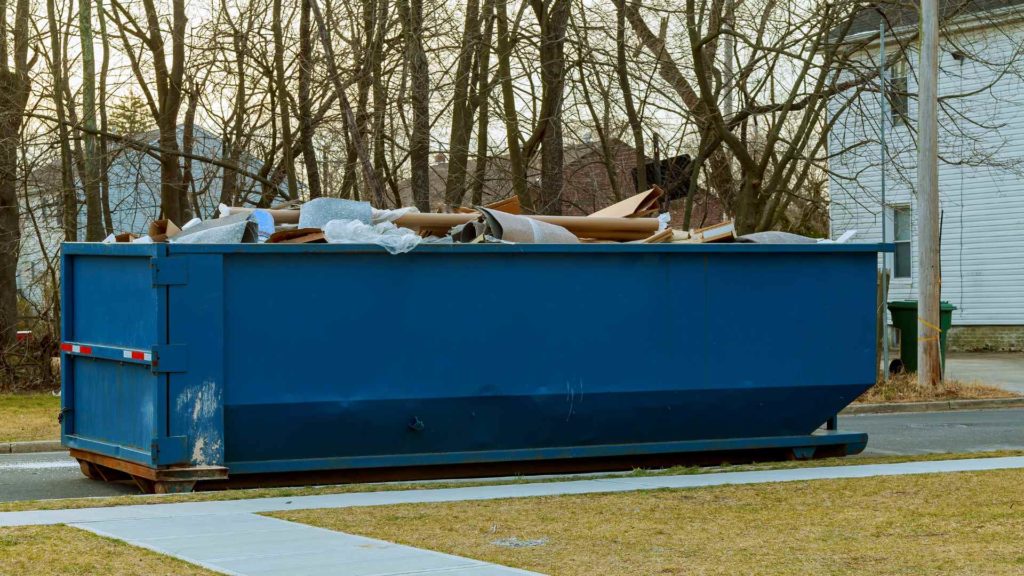
A dumpster rental is a simple and convenient way to handle large amounts of waste by having a roll-off dumpster delivered to your location for temporary use. Homeowners, contractors, and businesses often rent dumpsters when regular trash services aren’t enough for bigger projects.
Common situations include home cleanouts, renovations, construction work, and commercial property cleanups where debris can quickly pile up. By providing a designated place for waste, dumpster rentals make it easier to keep projects organized, safe, and efficient, especially for people who have never dealt with large-scale debris removal before.
Choosing the Right Dumpster Size for Your Project
Dumpster rentals generally fall into three main categories: residential, commercial, and construction, with sizes ranging from small 2-yard containers to larger 20-yard roll-off dumpsters and beyond. Smaller dumpsters are typically used for light debris, yard waste, or minor cleanouts, while larger containers are better suited for renovations, demolition, and construction projects.
Common options include 10-yard dumpsters for small clean outs, 20-yard dumpsters for home renovations or medium-sized jobs, and larger containers for commercial or construction use. While bigger dumpsters may come with a higher upfront rental price, they can often reduce overall costs by minimizing the need for multiple hauls. Selecting the right size ensures you have enough space for debris while avoiding unnecessary expenses.
Understanding What Can and Cannot Go in a Roll-Off Dumpster
Knowing what can and cannot go in a roll-off dumpster is important for keeping your project safe, compliant, and free from unexpected fees. Most dumpster rentals are designed to handle common debris from cleanouts, renovations, and construction work, but certain materials are restricted due to safety risks and landfill regulations. Knowing these guidelines ahead of time can help renters avoid delays, additional charges, or rejected loads.
Commonly Accepted Dumpster Materials
- Household junk (furniture, clothing, toys, general clutter)
- Construction and remodeling debris (drywall, wood, flooring, cabinets)
- Yard waste where permitted (branches, leaves, brush, grass)
- Non-hazardous home improvement materials
Commonly Prohibited Items
- Hazardous materials
- Chemicals and solvents
- Paint, stains, and certain adhesives
- Tires
- Batteries
- Flammable or toxic waste
These restrictions exist because some materials require special disposal methods to protect sanitation workers, prevent environmental contamination, and comply with local landfill rules. If you are unsure whether an item is allowed, it’s always best to check with your dumpster rental provider before loading the container to avoid potential extra fees or service issues.
How the Dumpster Rental Process Works Step-by-Step
Renting a dumpster is a simple process that can be broken down into a few easy steps. By planning and understanding how the process works, you can make your cleanup or project run much more smoothly. Follow the steps below to know how dumpster rentals work to ensure your process is a positive one.
- Contact a dumpster rental company and explain the type of project you’re working on.
- Discuss your project needs and choose the right dumpster size based on the type and amount of debris you expect.
- Schedule your delivery, ideally a few days in advance to ensure availability.
- Dumpster delivery and placement — the container is dropped off at a convenient location such as your driveway, construction site, or designated work area.
- Fill the dumpster during the rental period while you complete your cleanup, renovation, or construction project.
- Schedule pickup once the dumpster is full or your project is finished, and the company will haul it away for proper disposal.
Following these steps helps keep the process organized and ensures your waste is removed safely and efficiently.
Residential, Commercial, and Construction Dumpster Rentals Explained
All dumpsters are not created equal. Understanding the differences between residential, commercial, and construction dumpsters will not only give renters a better understanding of what size and budget is needed for their project. Here is a cheat sheet:
Residential dumpster rentals are typically used by homeowners for projects such as home cleanouts, garage decluttering, small renovations, or yard cleanup. These dumpsters are usually smaller and intended for short-term use, making them ideal for household junk, furniture, and light debris.
Commercial dumpster rentals are commonly used by businesses, property managers, and retail locations that generate regular waste. These dumpsters are often part of an ongoing service agreement and are used for routine trash disposal from offices, restaurants, apartment complexes, and other commercial properties.
Construction dumpster rentals are designed for heavier materials and large volumes of debris from building, remodeling, or demolition projects. Contractors and construction crews frequently use these dumpsters to dispose of materials like drywall, wood, roofing shingles, and concrete.
Roll-Off Dumpster Rental Help for Georgia Projects
For those planning a cleanup or construction project in Georgia, Reliable Roll-Off Solutions provides guidance and dumpster rental support for a wide range of needs. The company works with homeowners, businesses, and contractors on projects such as residential cleanouts, commercial property maintenance, and construction debris removal.
If you’re unsure about the right dumpster size, rental timeline, or how to plan for your specific project, their team can help answer questions and provide direction on how to rent a roll-off dumpster. To learn more or ask about scheduling and availability, feel free to contact us.