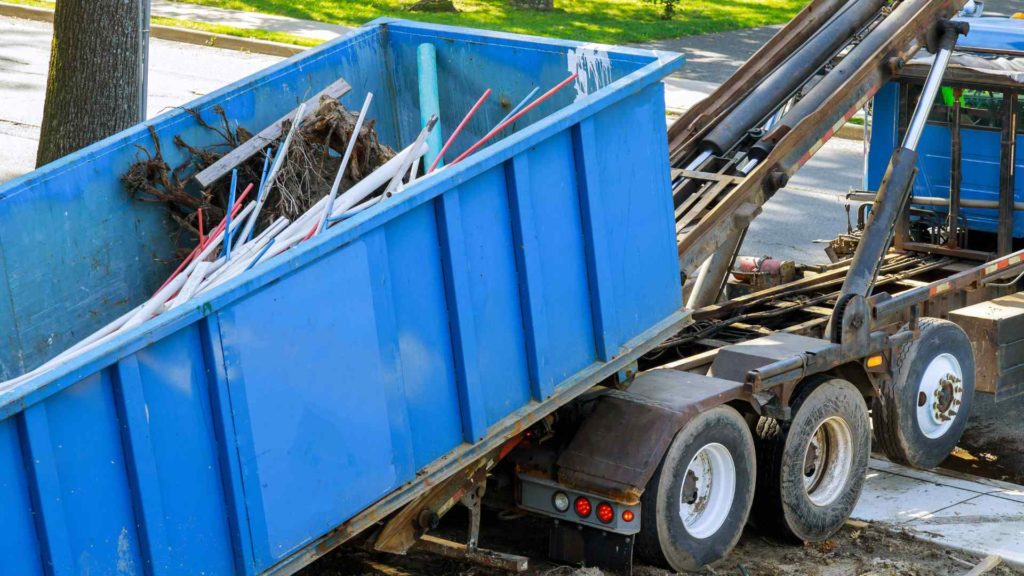
A transfer station is a waste management facility where solid waste is collected, unloaded, and prepared for transport to a landfill, recycling facility, or material recovery facility. It gives homeowners, contractors, commercial businesses, and haulers a central place to drop off waste closer to the project site.
Transfer stations reduce long-distance hauling for smaller collection vehicles, help organize the waste stream, and support cleanup projects that do not need a dumpster rental. Reliable Rolloff Solutions offers transfer station services and waste disposal support for residential, commercial, and contractor needs across Southeast Georgia.
How Transfer Stations Work
The process is simple for most customers. A vehicle arrives at the facility, follows posted directions, and is weighed on the inbound scale. This first weight measures how much waste is brought in.
After weighing, customers move to the designated unloading area. Staff may direct the vehicle based on waste type, traffic flow, and facility layout. Once the waste is unloaded, the vehicle is weighed again. The difference between the inbound and outbound weight is used to calculate the disposal amount and final price.
Our transfer stations use certified scales to support accurate pricing. Posted directions and designated unloading areas help keep traffic moving safely for homeowners, contractors, and commercial haulers. Customers in nearby service areas can use the transfer station for smaller loads, one-time cleanup debris, and self-hauled materials. It can also support customers looking for dumpster rental in Jesup when a full roll-off container is more than the project needs.
What Can You Bring to a Transfer Station?
Accepted materials vary by facility, but transfer stations often handle non-hazardous waste from cleanouts, repairs, and job sites. This may include household junk, furniture, yard waste, drywall, roofing materials, wood waste, and some construction or demolition debris.
Restricted items usually include hazardous waste, liquids, batteries, paint, chemicals, flammable materials, and biohazard materials. These items can create safety and disposal problems and often need special handling.
Before loading a truck or trailer, check facility rules or review our What Can You Put in a Dumpster Rental post for general guidance on accepted and restricted materials. Following disposal guidelines helps prevent rejected loads, extra fees, and delays.
When Should You Use a Transfer Station Instead of Renting a Dumpster?
A waste transfer station can be better for smaller cleanups, one-time debris removal, or customers with a truck or trailer. If you can load and haul the material yourself, using a transfer station may be a simple solution.
Dumpster rentals are often better for larger jobs, ongoing construction, remodeling projects, or cleanup work that creates debris for days. A residential dumpster rental can work well for home cleanouts and renovation debris. For larger projects, review how to rent a dumpster before scheduling service.
The best choice depends on project size, debris amount, timeline, and hauling equipment. A small pile of household junk may be simple to haul. A roofing job, demolition project, or major renovation may need a roll-off dumpster on-site as work continues.
Why Transfer Stations Matter for Construction and Cleanup Projects
Transfer stations help waste management by giving haulers, contractors, and cleanup crews a local place to unload debris before a disposal or recycling destination. This reduces long hauls for smaller vehicles and keeps waste moving through the local disposal system.
For contractors, that local access reduces downtime. Crews can unload debris from roofing jobs, demolition work, renovations, commercial cleanups, and other bulky projects, then return to the job site faster. When debris leaves quickly, work areas stay cleaner, safer, and easier to manage.
Local disposal options improve project efficiency across Southeast Georgia. For larger or ongoing jobs, commercial dumpster rental services may still be the better fit, but transfer station access gives contractors and property owners another way to keep cleanup moving.
Transfer Station Guidelines and Safety Tips
Prepare loads before arriving at a transfer station. Sort materials, separate accepted recyclables, and place heavier items so they are easier to unload.
In Georgia, vehicles driven on public roads must be loaded, covered, or secured so materials do not drop, escape, or create litter. A tarp, straps, or cover can help keep waste in place during transport.
At the facility, follow posted signs, traffic routes, and unloading instructions. Move slowly, watch for collection vehicles and equipment, and unload only in the assigned area.
Customers in nearby areas can review dumpster rental in Pooler or dumpster rental in Savannah if a roll-off container is a better fit.
Learn More About Transfer Station and Waste Disposal Services
Reliable Rolloff Solutions provides local transfer station services and waste management support for homeowners, contractors, and commercial businesses throughout Southeast Georgia. Customers can use transfer station access for debris they can haul themselves or ask about dumpster rentals for larger cleanup projects.
Contractors and homeowners can contact the Reliable Rolloff Solutions team with questions about accepted materials, pricing, project size, and cleanup timelines. The team can explain when a transfer station makes sense, when a dumpster rental is better, and what waste solution can support the job.
To plan your next cleanup, contact us to ask about local disposal options, dumpster sizes, transfer station access, and waste removal services.
Transfer Station FAQs
What is a transfer station in waste management?
What is a transfer station in waste management?
A transfer station is a facility where waste is collected, unloaded, and transferred before it goes to a landfill, recycling facility, or material recovery facility. Transfer stations reduce long-distance hauling for smaller vehicles and support local waste management.
What types of waste can you bring to a transfer station?
Many transfer stations accept household junk, construction debris, roofing materials, wood waste, furniture, and yard waste. Rules vary by facility, so customers should confirm requirements before transporting materials.
When should you use a transfer station instead of renting a dumpster?
A transfer station is often a good option for smaller cleanups, one-time debris removal, or customers who can haul waste themselves. Dumpster rentals are usually better for ongoing construction, renovations, and larger debris volumes. The best option depends on project size, debris amount, and timeline.
Are there items that cannot be disposed of at a transfer station?
Many transfer stations restrict hazardous or regulated materials such as chemicals, paint, batteries, flammable liquids, and biohazard materials. These restrictions support safe waste disposal practices. Contact your local transfer station if you have questions about prohibited items.
How does the weighing process work at a transfer station?
Vehicles are typically weighed when they enter and leave the facility. The weight difference determines how much waste was unloaded. Certified scales support accurate disposal measurements and pricing.
Pingback: What Is a Roll-Off Dumpster? Uses, Sizes & Rental Guide